45 chemistry of baking cookies
Cookie Chemistry - sciencemadefun.net 1/4tsp baking soda 3/4tsp salt 1 c. (2 sticks) butter 1 1/4 c. sugar 1 tsp vanilla extract 1/4tsp almond extract 1 egg Optional topping: regular, or colored decorating sugar to sprinkle on top prior to baking Preheat oven to 375 degrees. Line pans with parchment paper. Mix all dry ingredients except sugar in a bowl The Science Behind the Perfect Cookie | Hersheyland As the butter warms in the oven, the dough slackens and gradually spreads out over the baking sheet. It's important to mix your butter well to ensure it's evenly mixed throughout the dough. 2. Egg Eggs offer moisture and water, which eventually evaporate in the baking process. Adding more egg whites to a recipe tends to result in taller cookies.
Baking and Chemistry - American Chemical Society Baking and Chemistry Learning chemistry can be as easy as pie, or maybe just a piece of cake. Explore the chemistry of baking cookies, bread, pie, and cake, and investigate the science that's behind ingredients in your cupboard. Food Chemistry Cakes Cookies Powders Baked Goods ACS ChemClub Cookbook It's a cookbook! It's a chemistry book! It's both!

Chemistry of baking cookies
The chemistry of cookies - Stephanie Warren | TED-Ed Stephanie Warren explains via basic chemistry principles how the dough spreads out, at what temperature we can kill salmonella, and why that intoxicating smell wafting from your oven indicates that the cookies are ready for eating. Watch Think Dig Deeper Discuss Customize this lesson 1558 Create and share a new lesson based on this one. Share: Cookie science | King Arthur Baking As cookie dough is very low hydration, that two tablespoons of milk has more of an impact here than it would in something with higher hydration, such as cake batter. Milk is around 85% water - and that water will evaporate in the heat of the oven to form steam. This steam will migrate to air pockets created by the melting sugar grains. Cookie chemistry | King Arthur Baking Cookie chemistry: We're taking a 180° turn from our crunchy cookies, substituting higher-moisture brown sugar and butter for their lower-moisture counterparts: granulated sugar and vegetable shortening. That, plus a shortened baking time, yields a cookie that's soft and chewy all the way through.
Chemistry of baking cookies. Cookie-Baking Chemistry: How To Engineer Your Perfect Sweet Treat Eventually, the baking soda or powder starts to break down into carbon dioxide gas, which raise up the cookie farther. All these gases leave little holes in the maturing cookie, which makes... The chemistry of cookies - Stephanie Warren - YouTube The chemistry of cookies - Stephanie Warren TED-Ed 18.3M subscribers Subscribe 57K 3.2M views 9 years ago Actions and Reactions View full lesson: ... You... The Chemistry of Baking Cookies - ThoughtCo Chemistry During Baking If the ingredients are high quality, measured carefully, and mixed as they should be, chemical magic happens in the oven to make great cookies. Heating sodium bicarbonate causes it to decompose into water and carbon dioxide : 2NaHCO 3 → Na 2 CO 3 + H 2 O + CO 2 The Chemistry of Baking Cookies.pdf - Course Hero Add one egg at a time while mixing it in to the butter and sugar, and then the vanilla extract. As following, in a separate bowlmix the dry ingredients including the flour, baking soda (baking soda is what helps the cookies spread) and kosher salt. Take yourtime whisking the ingredients all together to avoid any clumps.
The fundamental chemistry of baking cookies, part 2 A recent inquiry to the American Bakers Association (ABA) asked what the purpose of emulsifiers are in a bakery formula. Using fundamental chemistry as a background, here is a generalized overview of lecithin in a bakery environment. (To read part one of this series, see "The fundamental chemistry of baking cookies," which analyzes the role of sodium bicarbonate, among other factors, in a ... The Science Behind Chocolate Chip Cookies - Chemistry in the Kitchen ... Step 1 Preheat oven to 375 degrees F. Line a baking pan with parchment paper and set aside.; Step 2 In a separate bowl mix flour, baking soda, salt, and baking powder. Set aside. Step 3 Cream together butter and sugars until combined.; Step 4 Beat in eggs and vanilla until fluffy.; Step 5 Mix in the dry ingredients until combined.; Step 6 Add chocolate chips and mix well. The Chemistry of Baking Cookies - FactsandHistory Chemistry During Baking If the ingredients are high quality, measured carefully, and mixed as they should be, chemical magic happens in the oven to make great cookies. Heating sodium bicarbonate causes it to decompose into water and carbon dioxide: 2NaHCO 3 → Na 2 CO 3 + H 2 O + CO 2 The Science of Baking Cookies - Kansas State University 1 teaspoon baking soda 1 teaspoon ground cinnamon ½ teaspoon salt (optional) 3 cups quick or old fashioned oats, uncooked 1 cup raisins Heat oven to 350°F. In large bowl, beat butter and sugars on medium speed of electric mixer until creamy. Add eggs and vanilla; beat well. Add combined flour, baking soda, cinnamon and salt; mix well.
The Science Behind Baking Ingredients - The Spruce Eats Leavening Agents Baking Soda and Baking Powder Baking soda and baking powder form CO2, that is held by fat pockets, gluten, and starch, which makes the baked product rise. Baking soda and powder are not interchangeable; be sure that you have the product the recipe calls for. The Cookie Chemistry Challenge - Science Friday Your choice of sugar is important to the chemistry of your cookie. Try altering the ratio between brown sugar and white sugar, or just using one type of sugar altogether. Test # 2: Change The Baking Time Or Oven Temperature Does a hotter oven change your cookie consistency? The fundamental chemistry of baking cookies | 2020-04-10 | Snack Food ... Fundamental chemistry occurs when adding baking soda to the mixer. The sodium bicarbonate neutralizes the acidic ingredients (including high-fructose corn syrup, buttermilk, some flavors, etc.) producing carbon dioxide gas for cell formation. Stephanie Warren: The chemistry of cookies | TED Talk The chemistry of cookies 3,406,630 views | Stephanie Warren • TED-Ed Like (102K) Read transcript Talk details Get special access to TED2023! As a thank you to our members, we're giving them a virtual first look at select talks from the conference. Want in? Become a member by April 11. Sign up now Watch next 04:48 16.6M views | Sep 2017
CHEWY Small Batch Chocolate Chip Cookies - Scientifically Sweet
Cookie Chemistry - McGraw Hill Education Cookie Chemistry. Have you ever wondered why some cookies come out thin and crunchy, while others are fat and fluffy, yet still others are soft and chewy? A cookie's texture largely depends on how much the dough spreads before the structure sets during baking. These processes, in turn, are affected by the choice of ingredients and how they ...
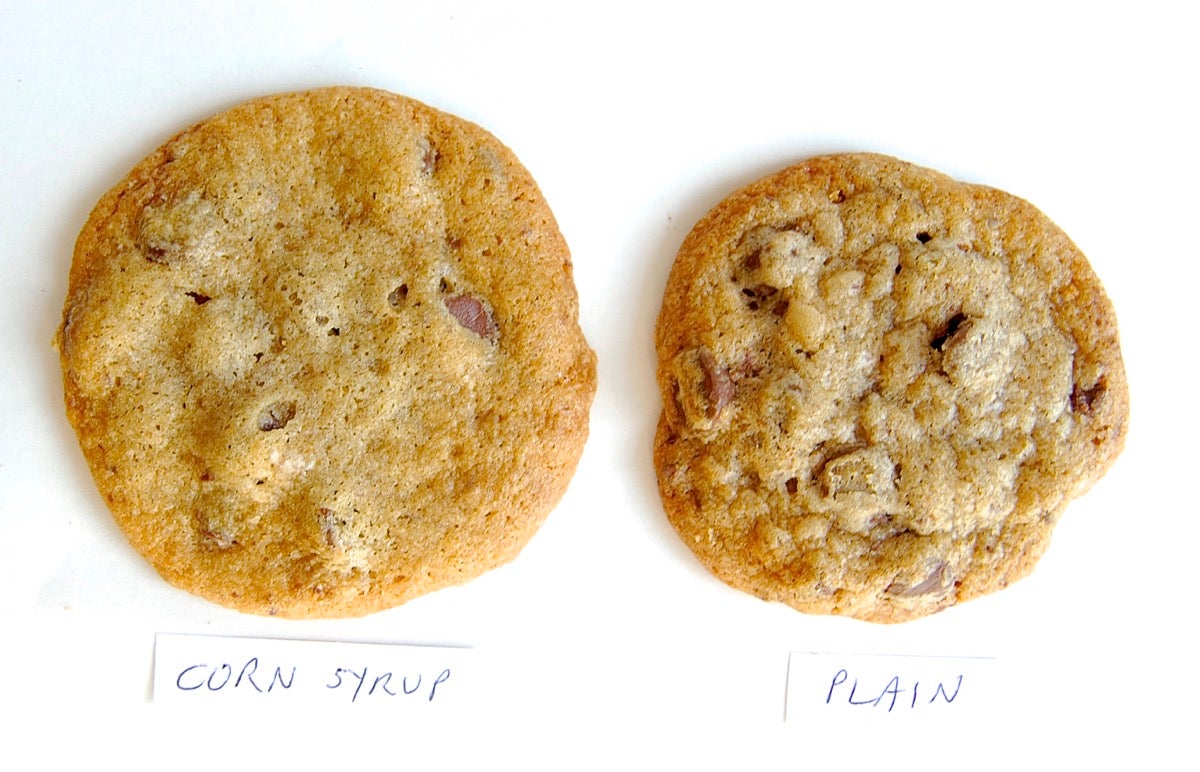
Cookie chemistry | King Arthur Baking
The Experimental Cookie: Teaching Kids Science Through Baking Photograph by Bethany Brookshire. The original goal, of finding a cookie her friend can eat, remains: If the second experiment produces a more palatable result, her friend will get a box to rate ...
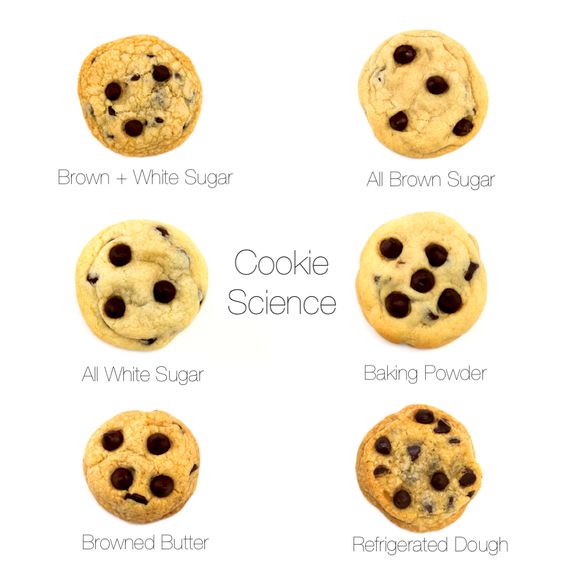
The Science of Cookies | Redpath Sugar
Cookie chemistry | King Arthur Baking Cookie chemistry: We're taking a 180° turn from our crunchy cookies, substituting higher-moisture brown sugar and butter for their lower-moisture counterparts: granulated sugar and vegetable shortening. That, plus a shortened baking time, yields a cookie that's soft and chewy all the way through.

10 Most Common Cookie Baking Mistakes
Cookie science | King Arthur Baking As cookie dough is very low hydration, that two tablespoons of milk has more of an impact here than it would in something with higher hydration, such as cake batter. Milk is around 85% water - and that water will evaporate in the heat of the oven to form steam. This steam will migrate to air pockets created by the melting sugar grains.
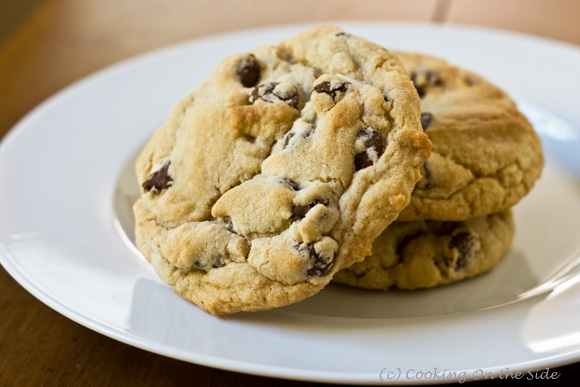
How to Bake a Cookie – In Terms of Chemistry | Molecular ...
The chemistry of cookies - Stephanie Warren | TED-Ed Stephanie Warren explains via basic chemistry principles how the dough spreads out, at what temperature we can kill salmonella, and why that intoxicating smell wafting from your oven indicates that the cookies are ready for eating. Watch Think Dig Deeper Discuss Customize this lesson 1558 Create and share a new lesson based on this one. Share:

Types of Oats in Cookies – CCC's Curious Kitchen

Chemistry of Baking Cookies - Chemistry of Baking Cookies ...
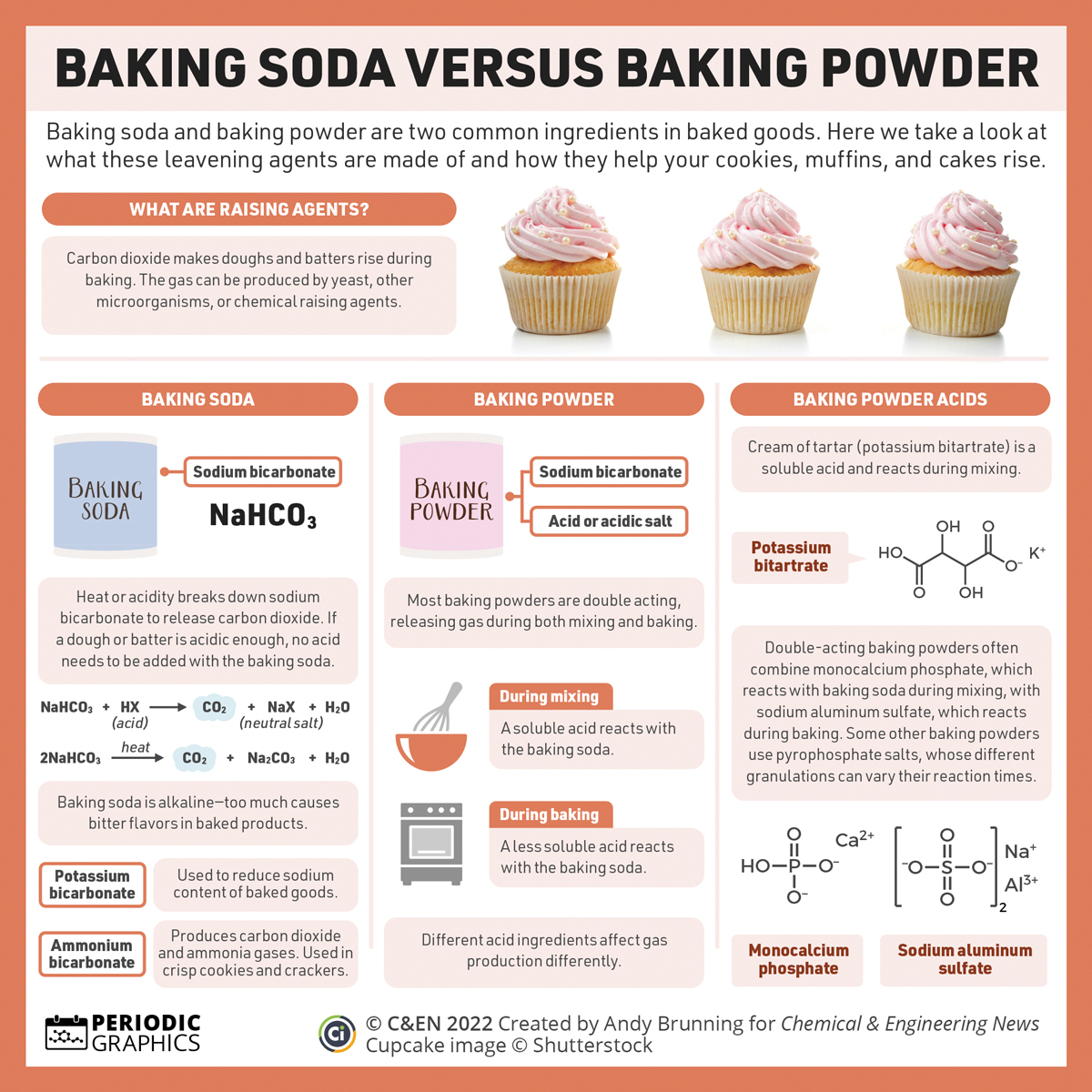
Periodic Graphics: Baking soda versus baking powder

Cookie Chemistry – Ultimate Guide to Best Cookies | Baking ...

How to Make Chewy Cookies - Bob's Red Mill Blog

No Bake Cookies Recipe (Foolproof!)
/cdn.vox-cdn.com/uploads/chorus_image/image/38856912/Science-of-Cookies.0.jpg)
Watch an Animated Video on the 'Mad' Science of Cookies - Eater
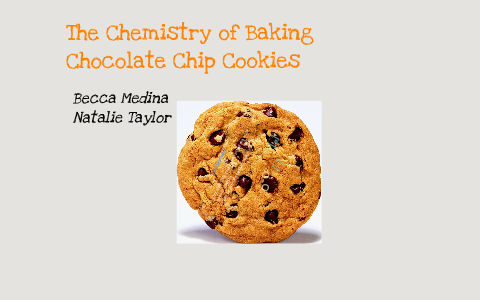
The Chemistry of Baking Chocolate Chip Cookies by Natalie ...

Baking and Chemistry - American Chemical Society

The Cookie Chemistry Challenge - Science Friday
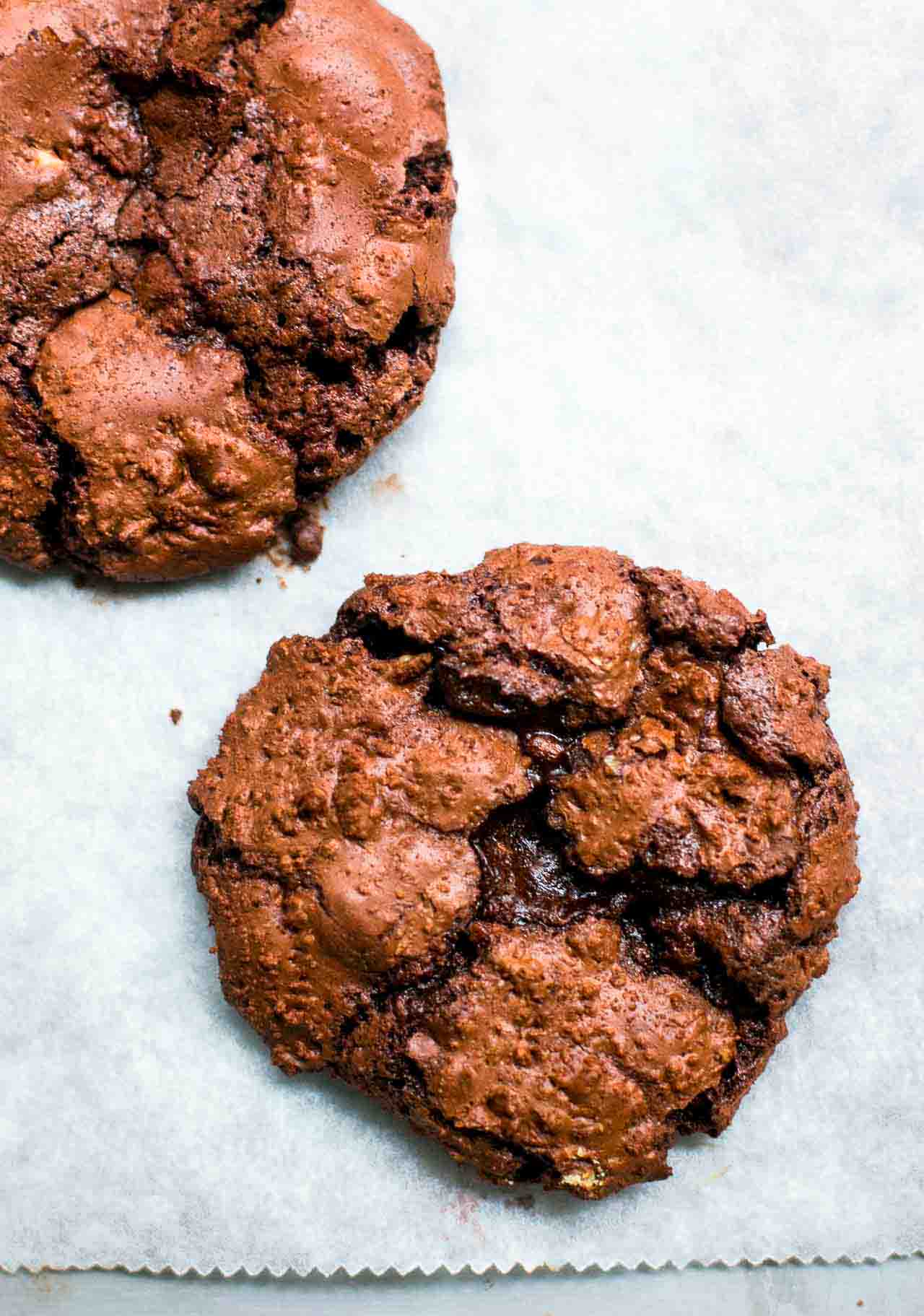
Chocolate Chocolate-Chip Cookies

How to Create a Cookie Recipe- Baker Bettie
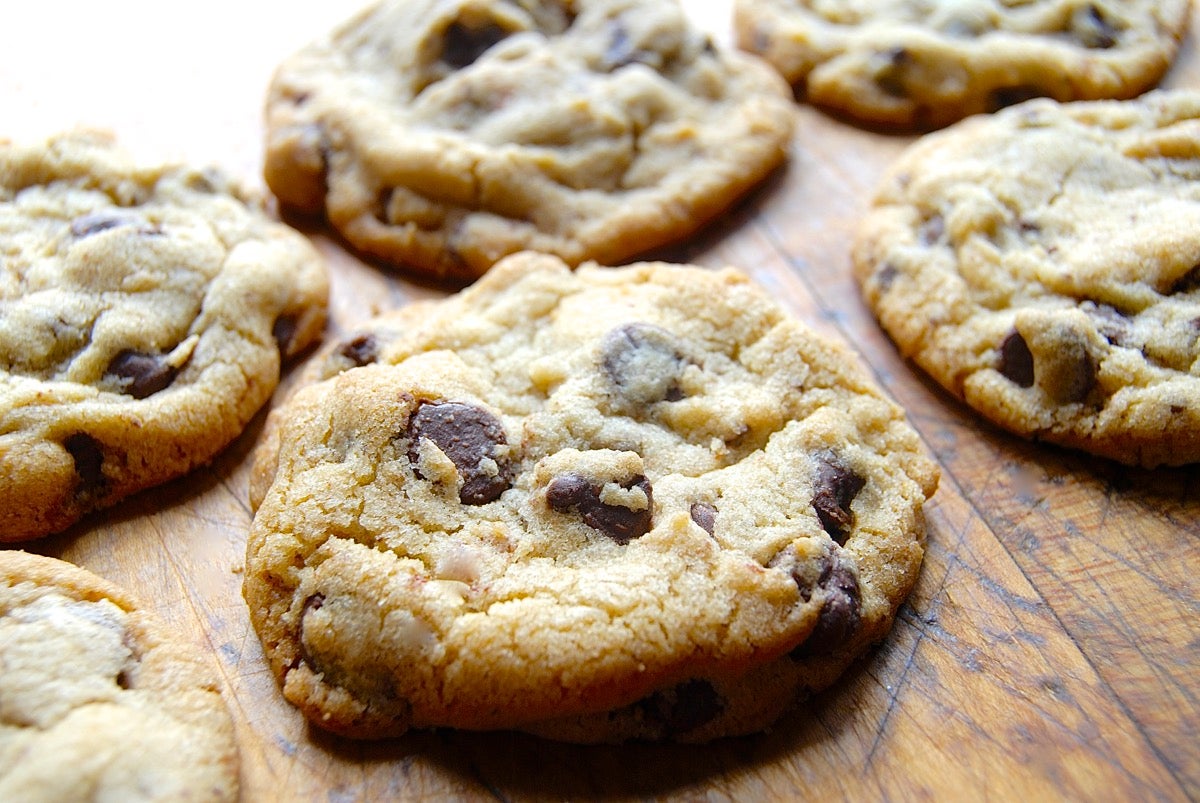
Cookie chemistry | King Arthur Baking

The (Food) Science of Chocolate Chip Cookies 🪠- Cravings of ...
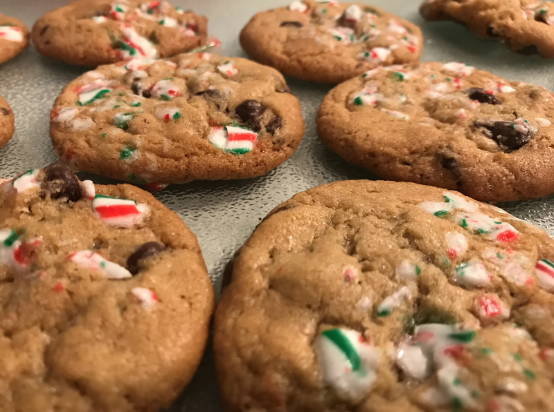
The Chemistry Behind Holiday Cookies – The Pipettepen
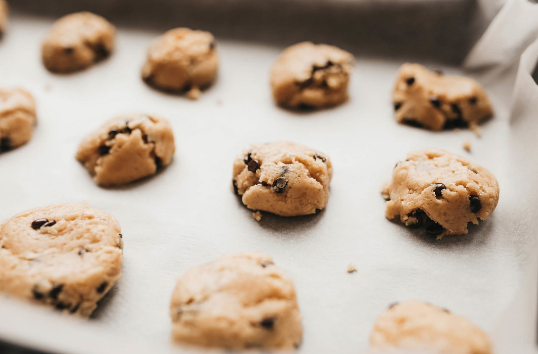
The Chemistry Behind Holiday Cookies – The Pipettepen
How Common Baking Mistakes Change Chocolate-Chip Cookies
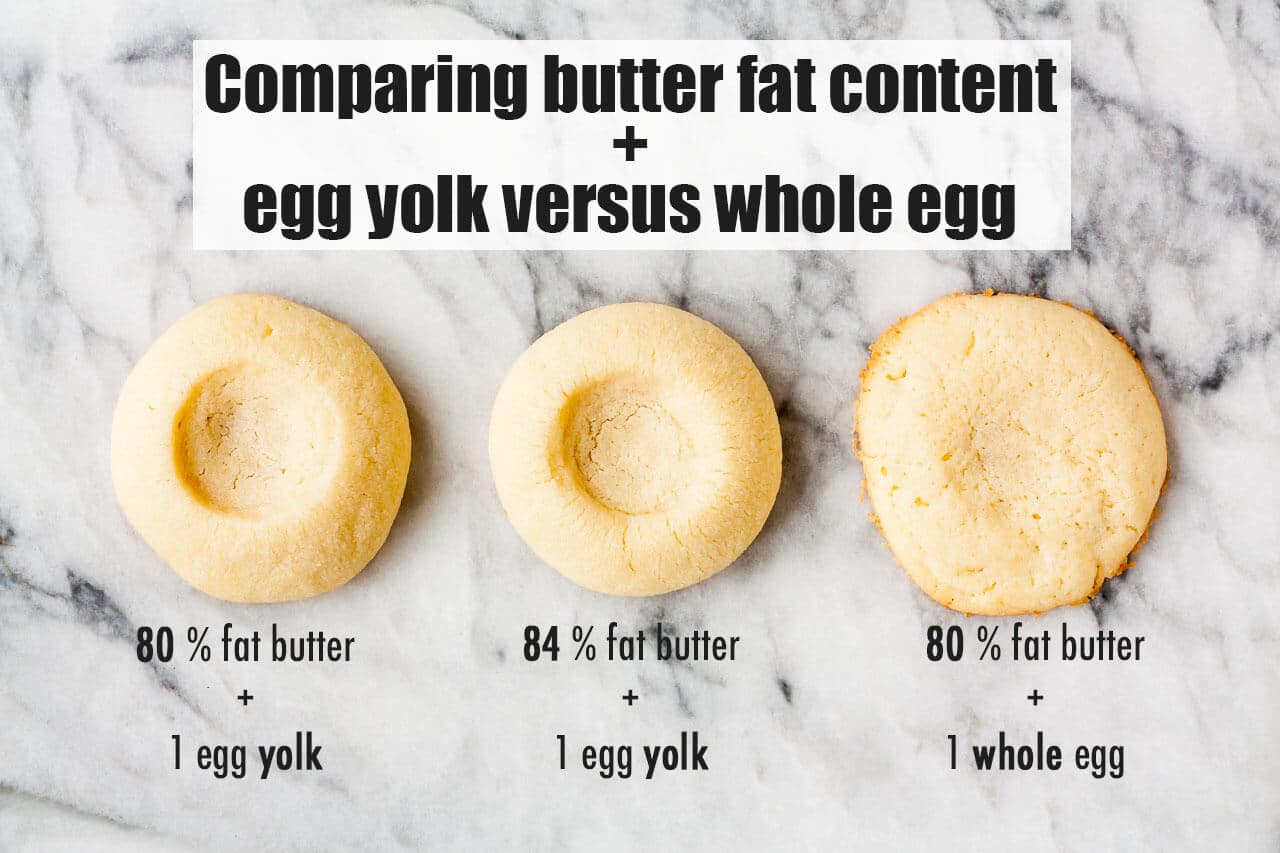
Why chill cookie dough and other techniques to stop cookies ...
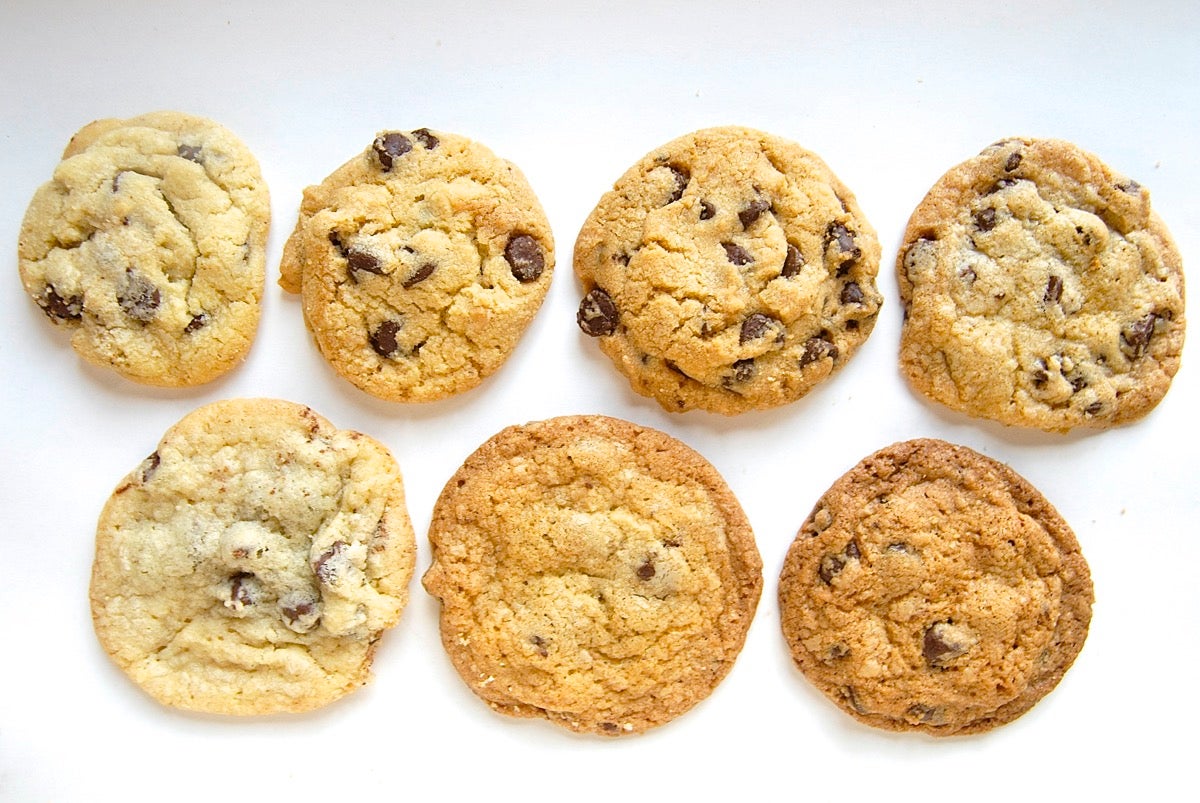
Cookie chemistry | King Arthur Baking
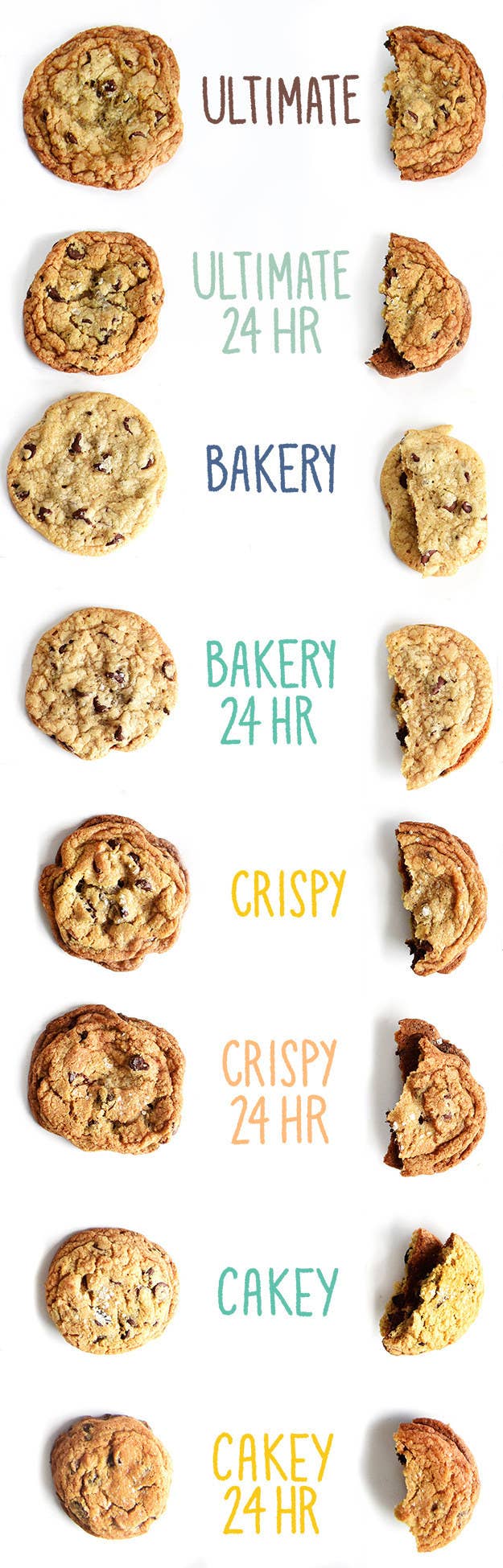
Here's Your Crash Course In Cookie Science
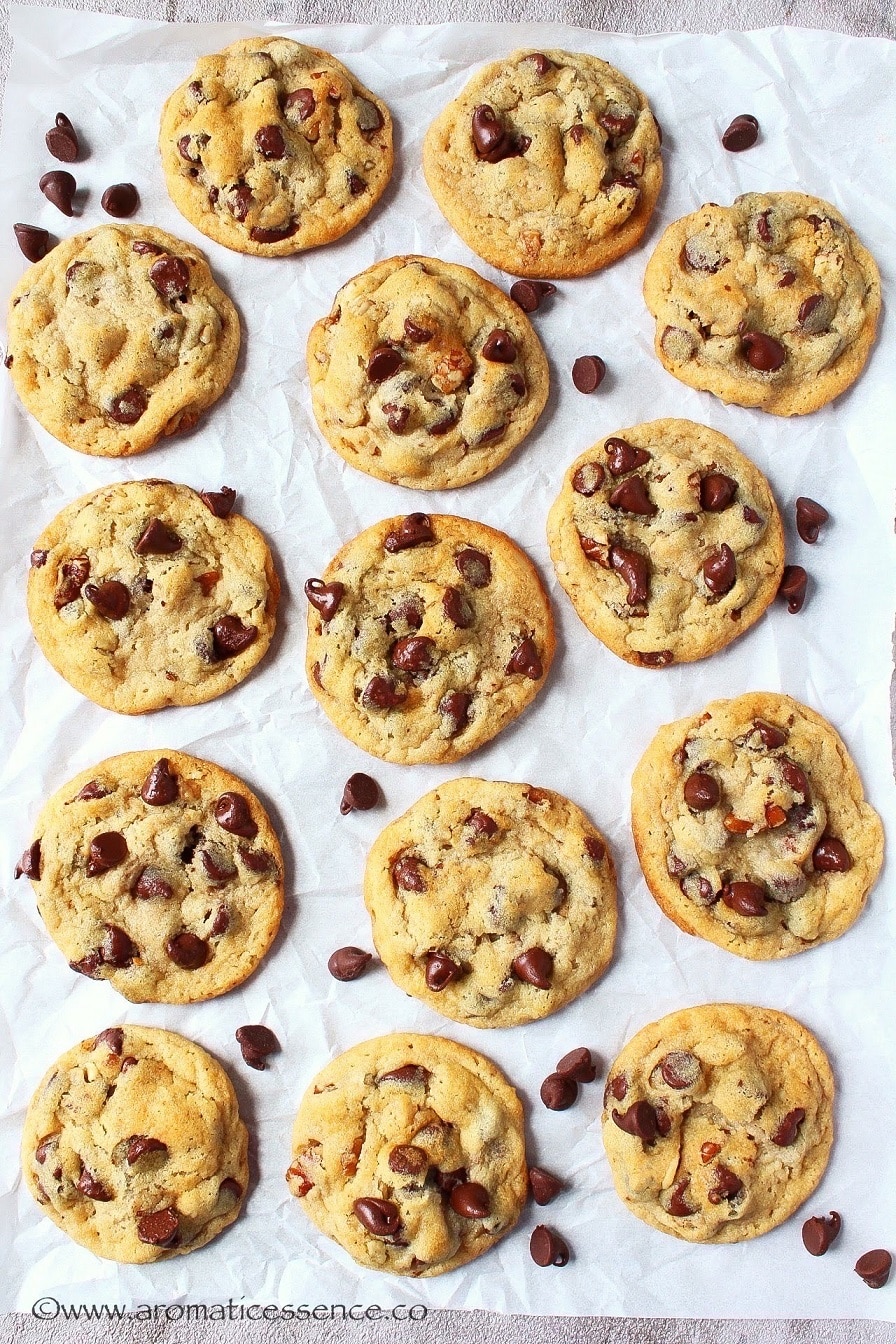
Eggless Chocolate Chip Cookies

Chemistry in Cookies
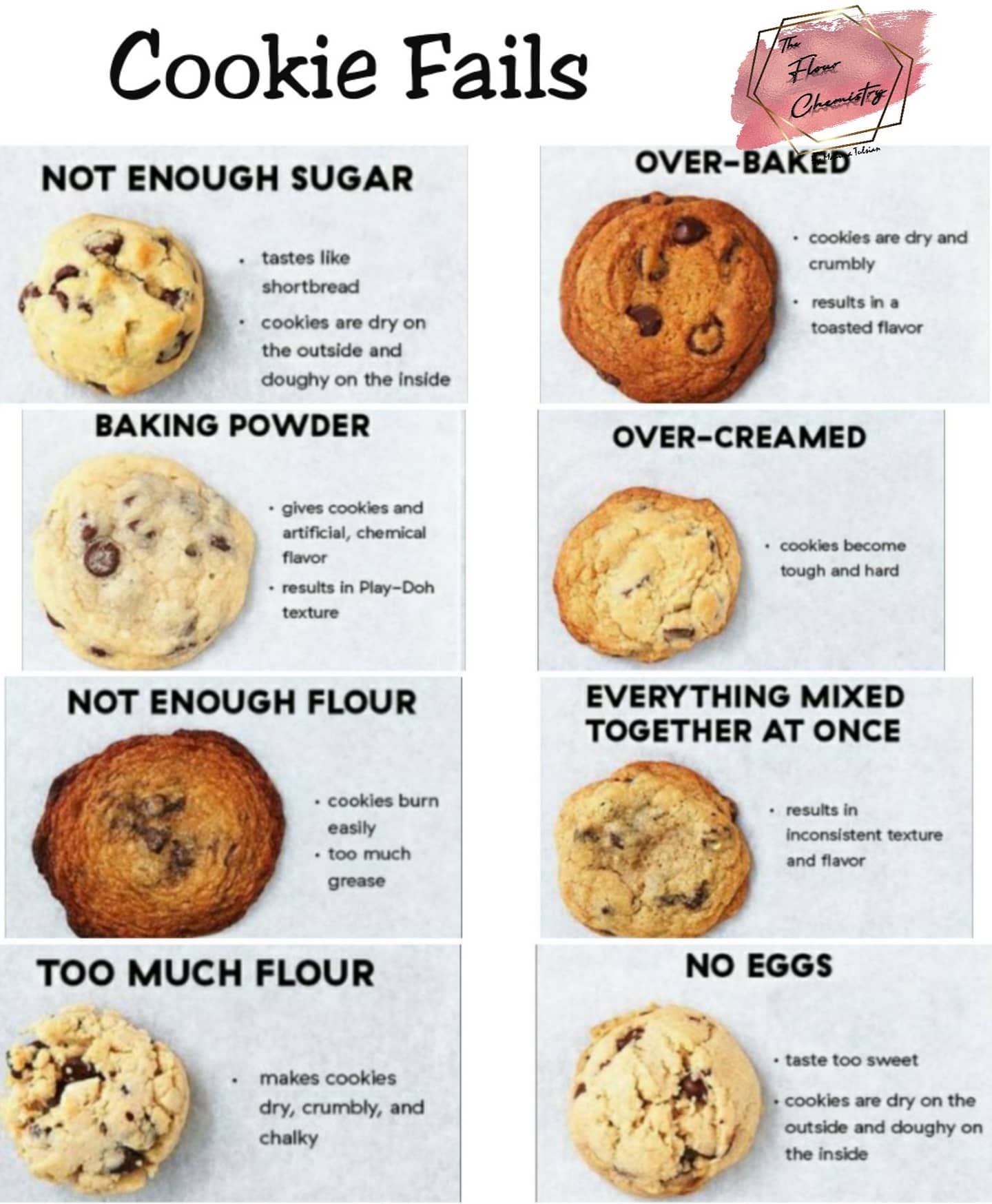
The Flour Chemistry - Know your cookie well.. here are some ...

The Science of Cookies - A Fun Science Experiment - Hess Un ...

The Essential: Chocolate Chip Cookie - Page 4 of 4 - Bake ...
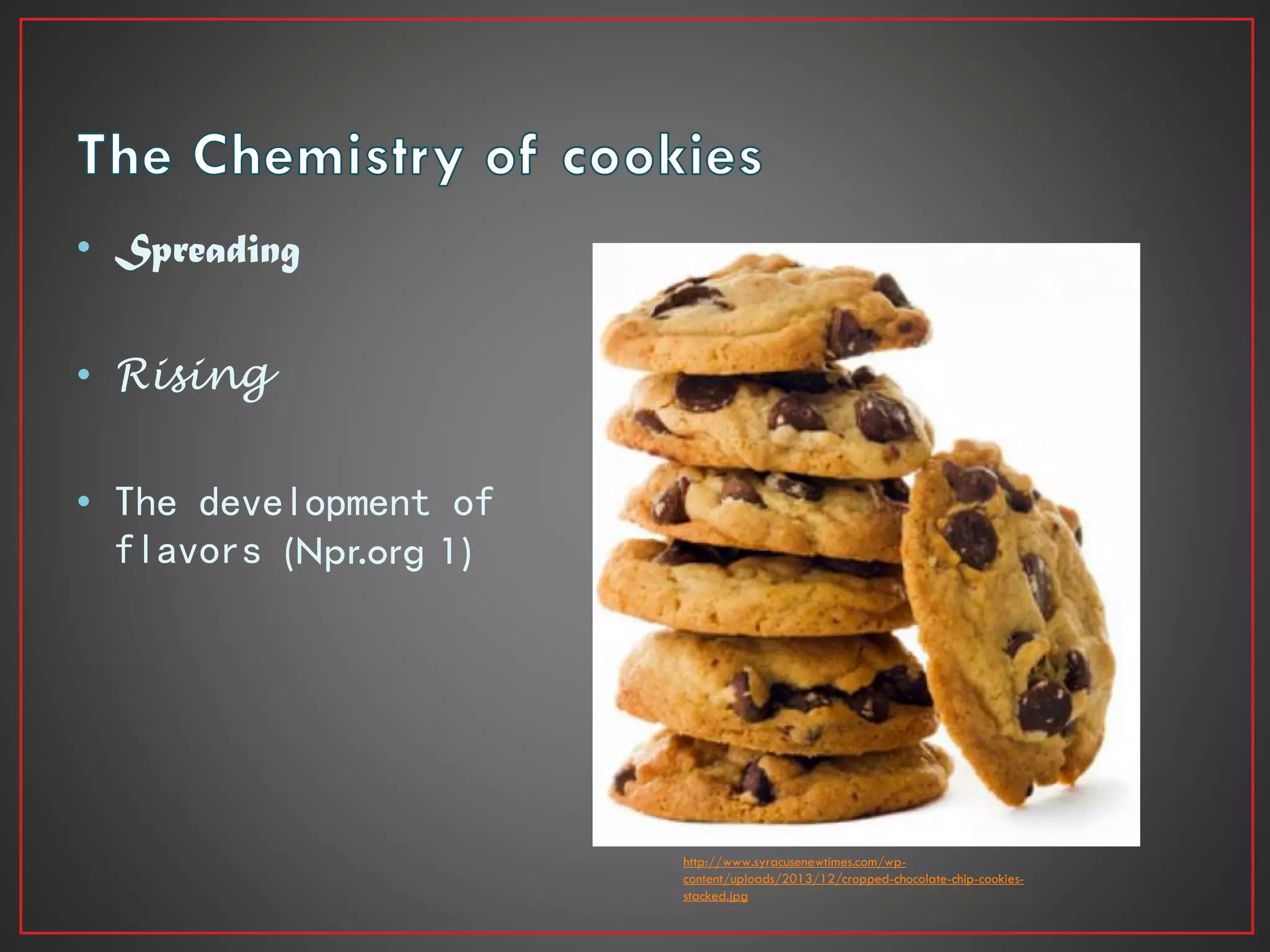
Chemistry of cookies ppt
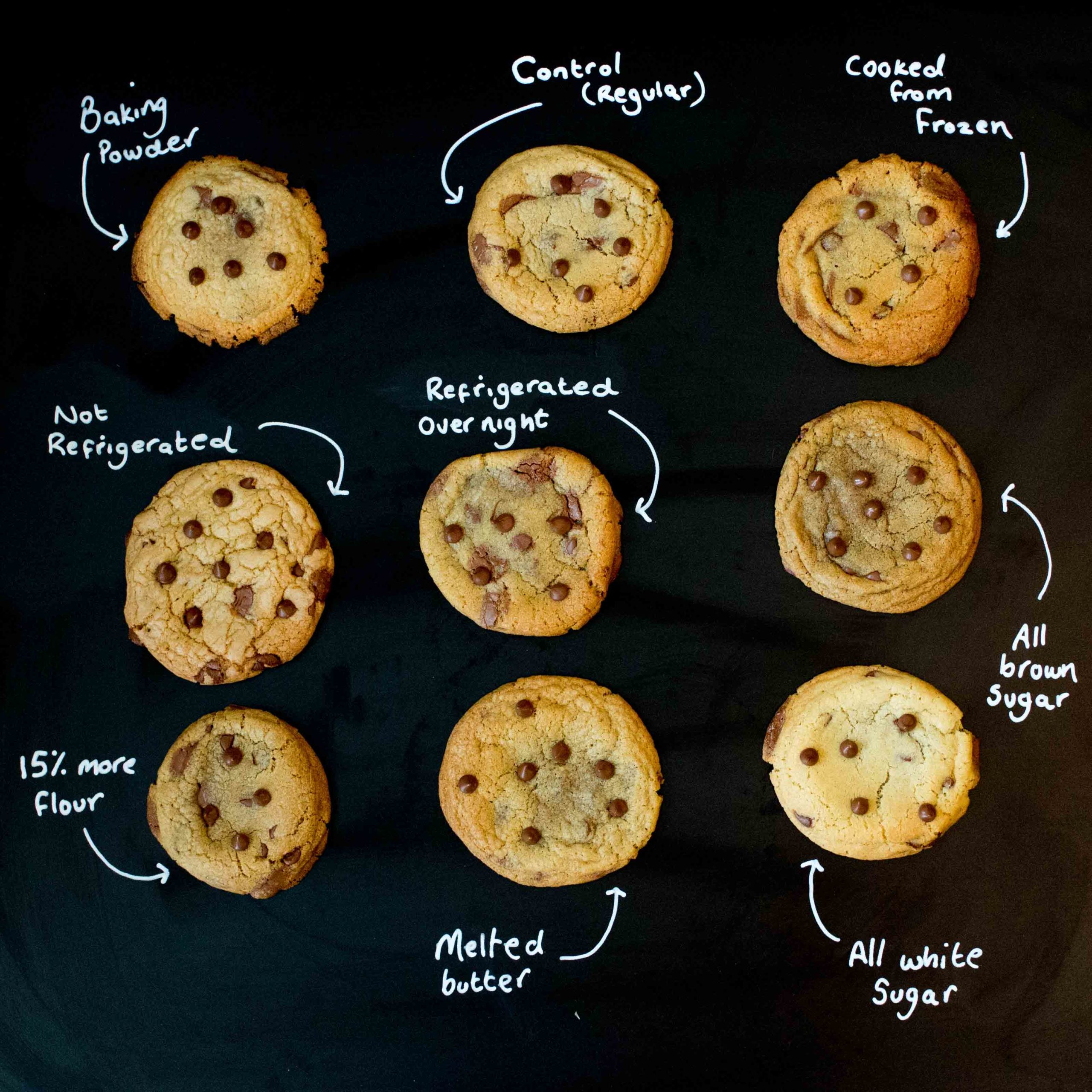
Cookie Experiment

No Bake Cookies

Baking Science: Perfecting the Chocolate Chip Cookie - Enjoy ...
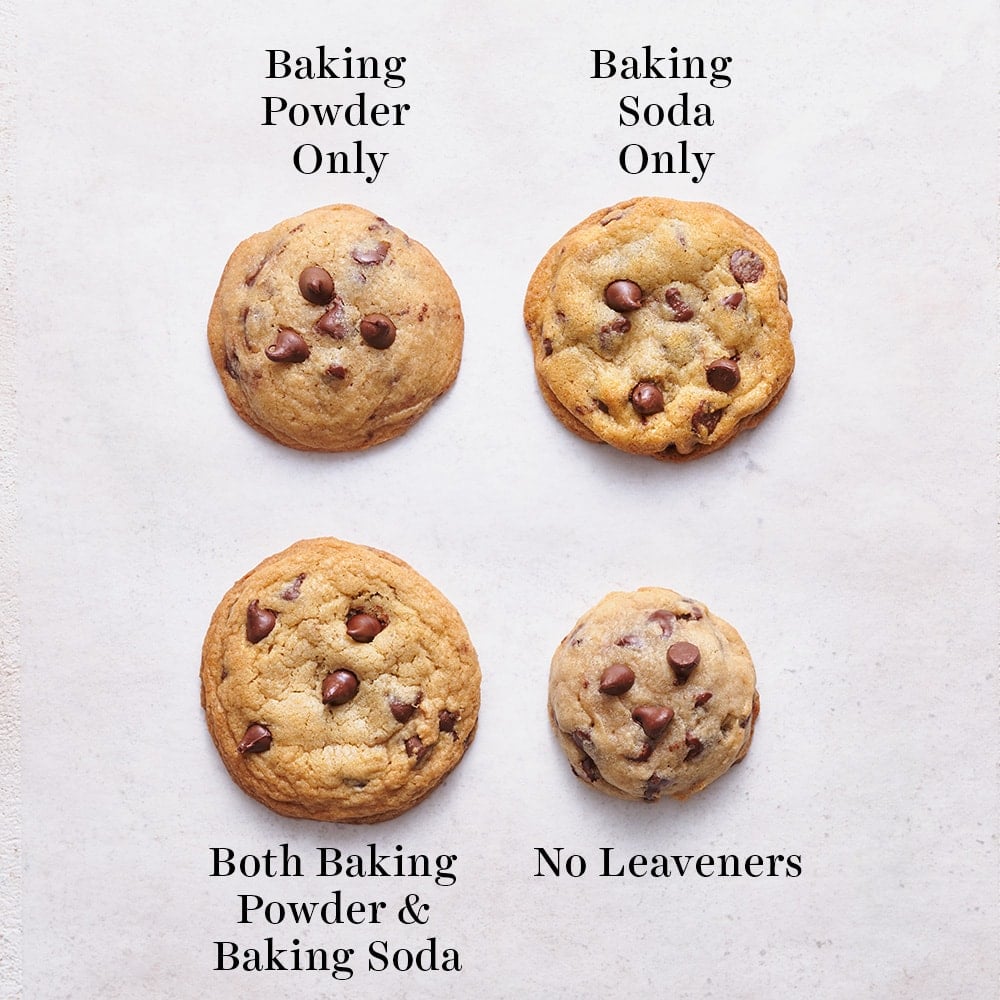
Bakery Style Chocolate Chip Cookies
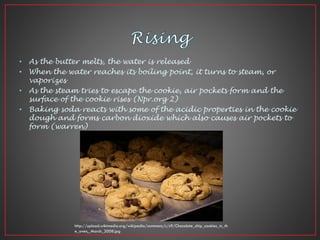
Chemistry of cookies ppt
:max_bytes(150000):strip_icc()/__opt__aboutcom__coeus__resources__content_migration__serious_eats__seriouseats.com__images__2015__12__20151028-no-caption-cookie-faq-baking-powder-blank-sarah-jane-sanders-Edit-79ac72ed554e40dd80ac933642d06d4e.jpg)
How Does Baking Powder Affect My Cookies?
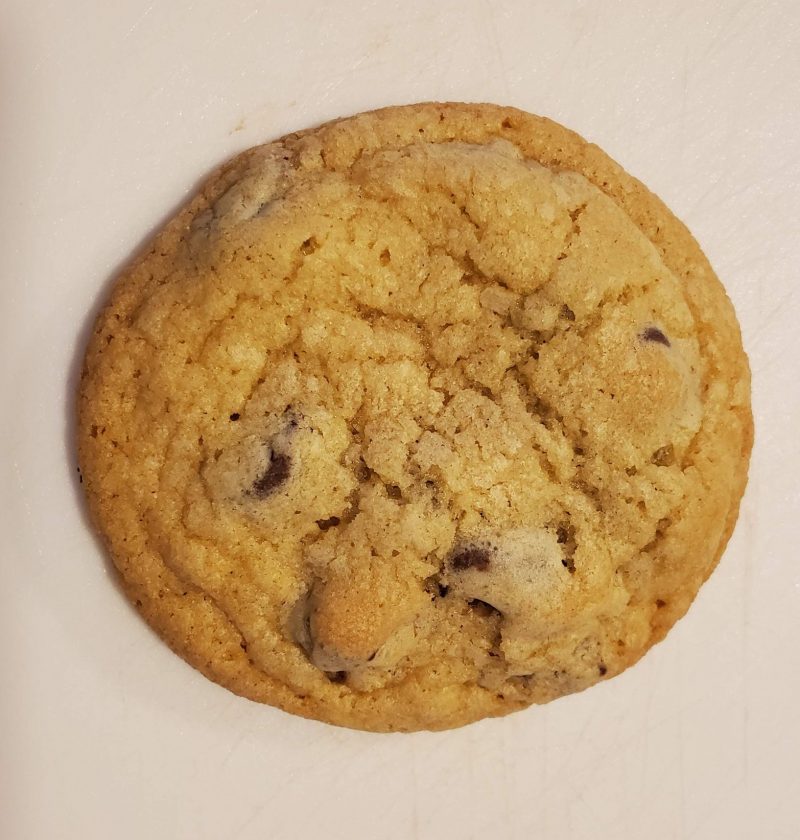
The Science Behind Chocolate Chip Cookies
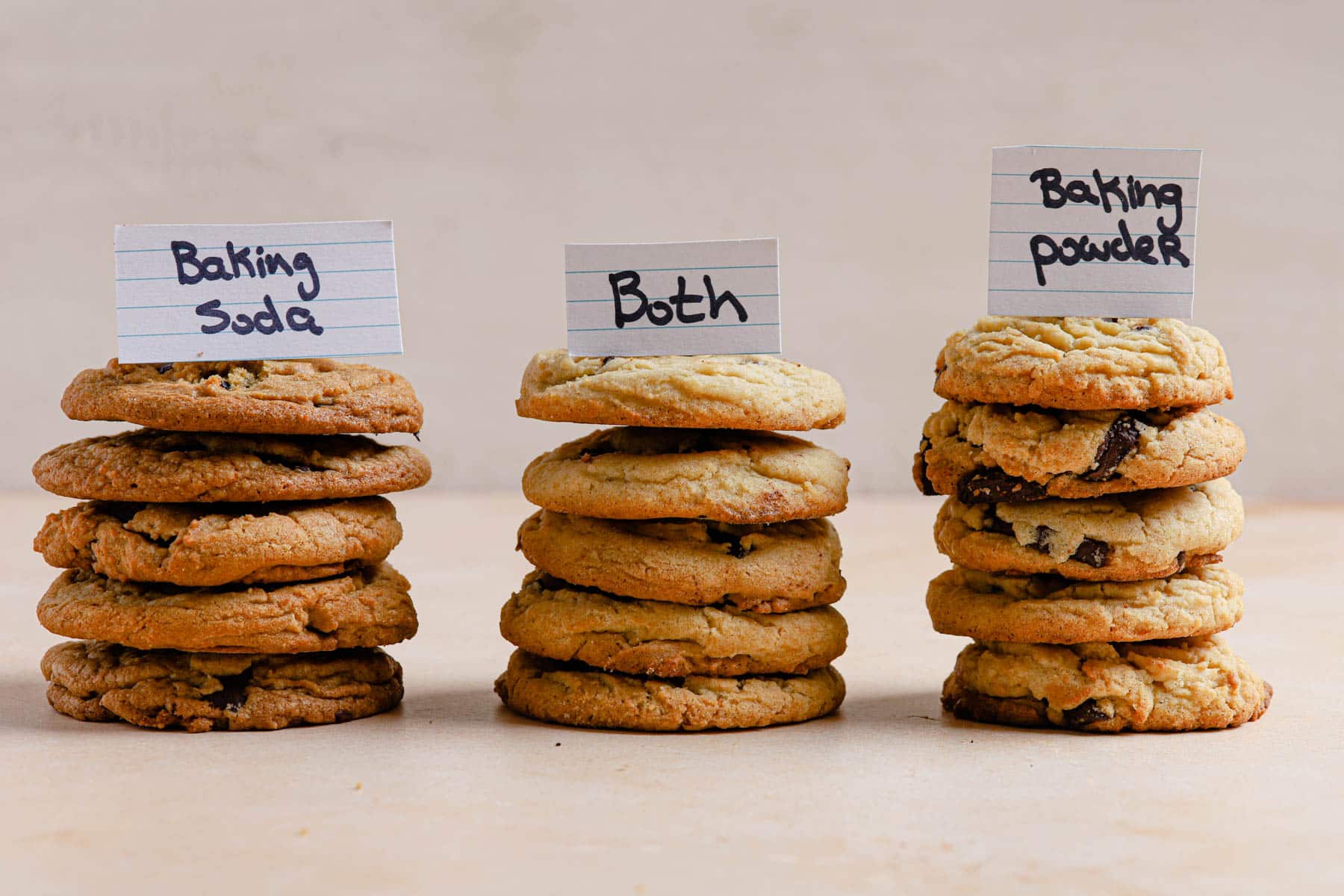
Baking Powder VS. Baking Soda When Baking Cookies

The BEST Chewy Chocolate Chip Cookies
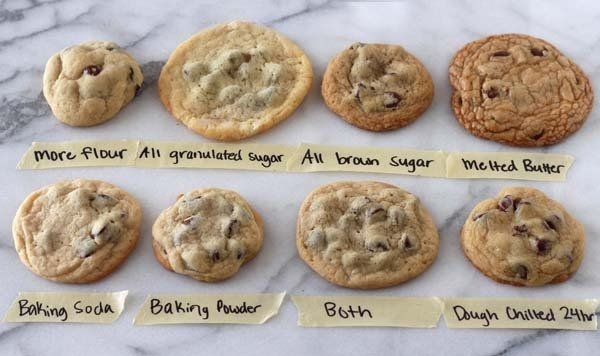
The Science of Baking Cookies

The chemistry of cookies - Stephanie Warren

The Chemistry of Baking Cookies
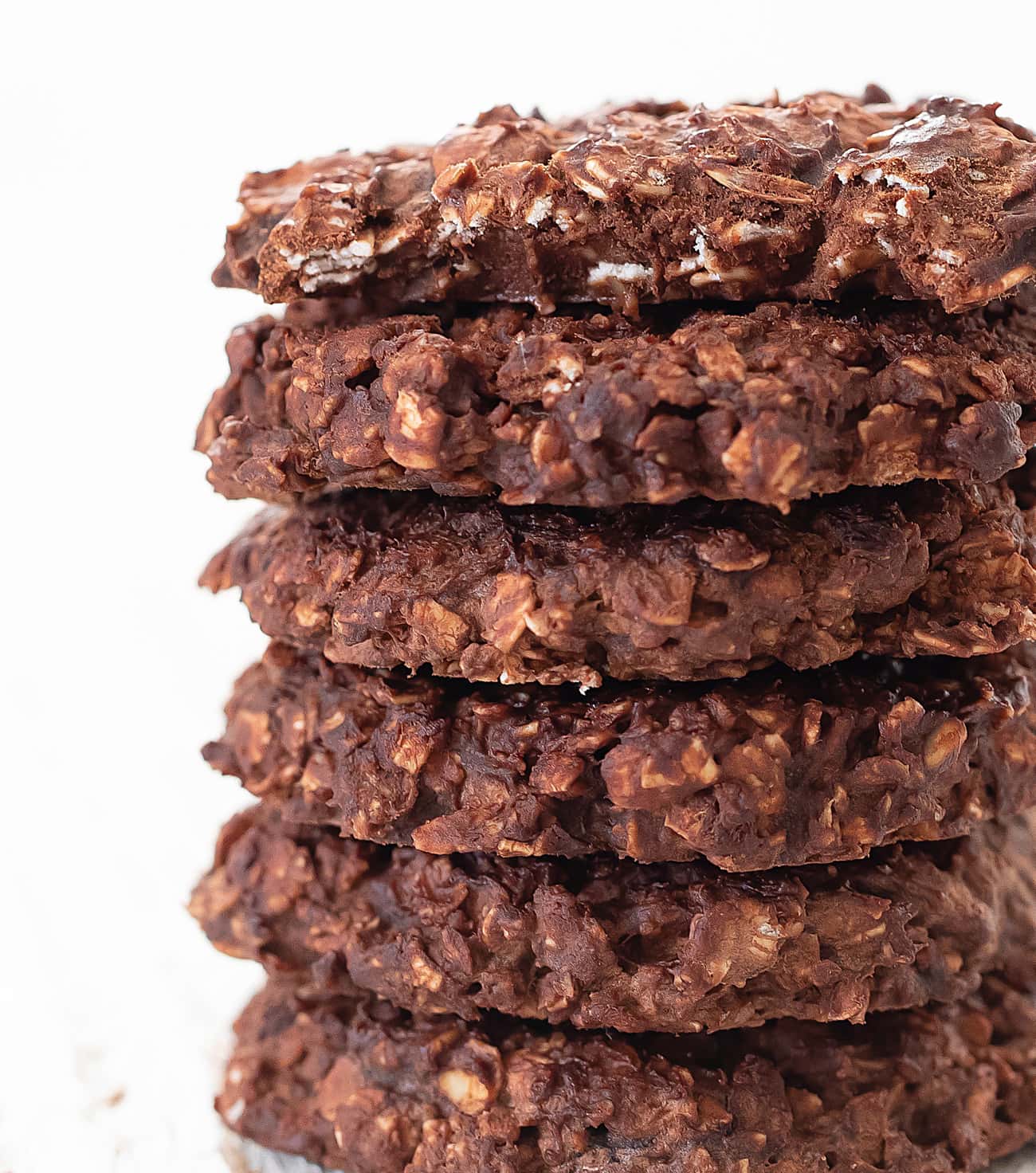
3 Ingredient No Bake Chocolate Oatmeal Cookies

Cookie Chemistry
0 Response to "45 chemistry of baking cookies"
Post a Comment